
APPLICATIONS
Ozone monitoring for semiconductor and industrial processes

Choose gas or dissolved ozone measurement according to the measurement point and operating conditions.
Semiconductor industry
For semiconductor-focused ozone gas monitoring projects, begin with the MIC500-OZ. Review the analyzer and sampling arrangement against the actual gas stream, concentration range and installation conditions.
For ozone in process water, review the dissolved ozone analyzer family separately. Gas and liquid applications require different instrument and sampling selections.
Information for selection
- Measurement point and gas or liquid composition
- Normal and maximum ozone concentration
- Sample pressure, temperature and flow
- Installation space and available power
- Required communication, analog and alarm outputs
Ozone generator output
Measure ozone concentration at the generator outlet to support output monitoring and process evaluation. Match the range and sampling conditions to the generator installation.
Water treatment and reuse
Explore ozone gas and dissolved ozone measurement for drinking water treatment, municipal wastewater reuse, industrial wastewater, and process or cooling water systems.
Other industrial ozone applications
Ozone is also used in exhaust and flue gas treatment, chemical and pharmaceutical processes, pulp and paper, and food and beverage operations. Share the actual measurement task so that the appropriate analyzer configuration can be reviewed.
Ozone in Water Treatment and Flue Gas Control
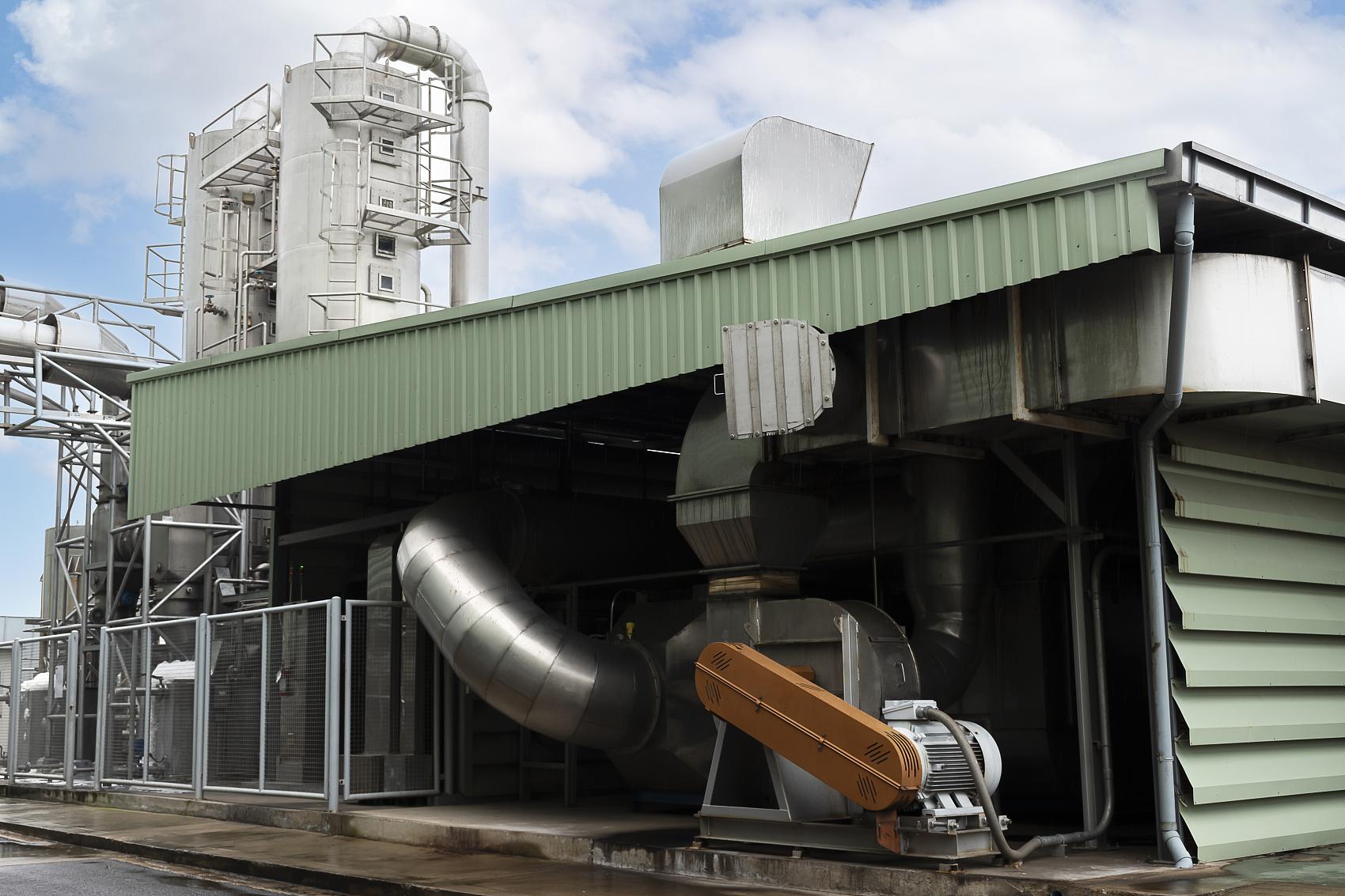
Exhaust and Flue Gas Denitrification
Ozone can oxidize nitric oxide in flue gas to higher nitrogen oxides that are easier to capture in a wet scrubber. The gas composition and NOx removal target determine the ozone feed and scrubbing conditions.
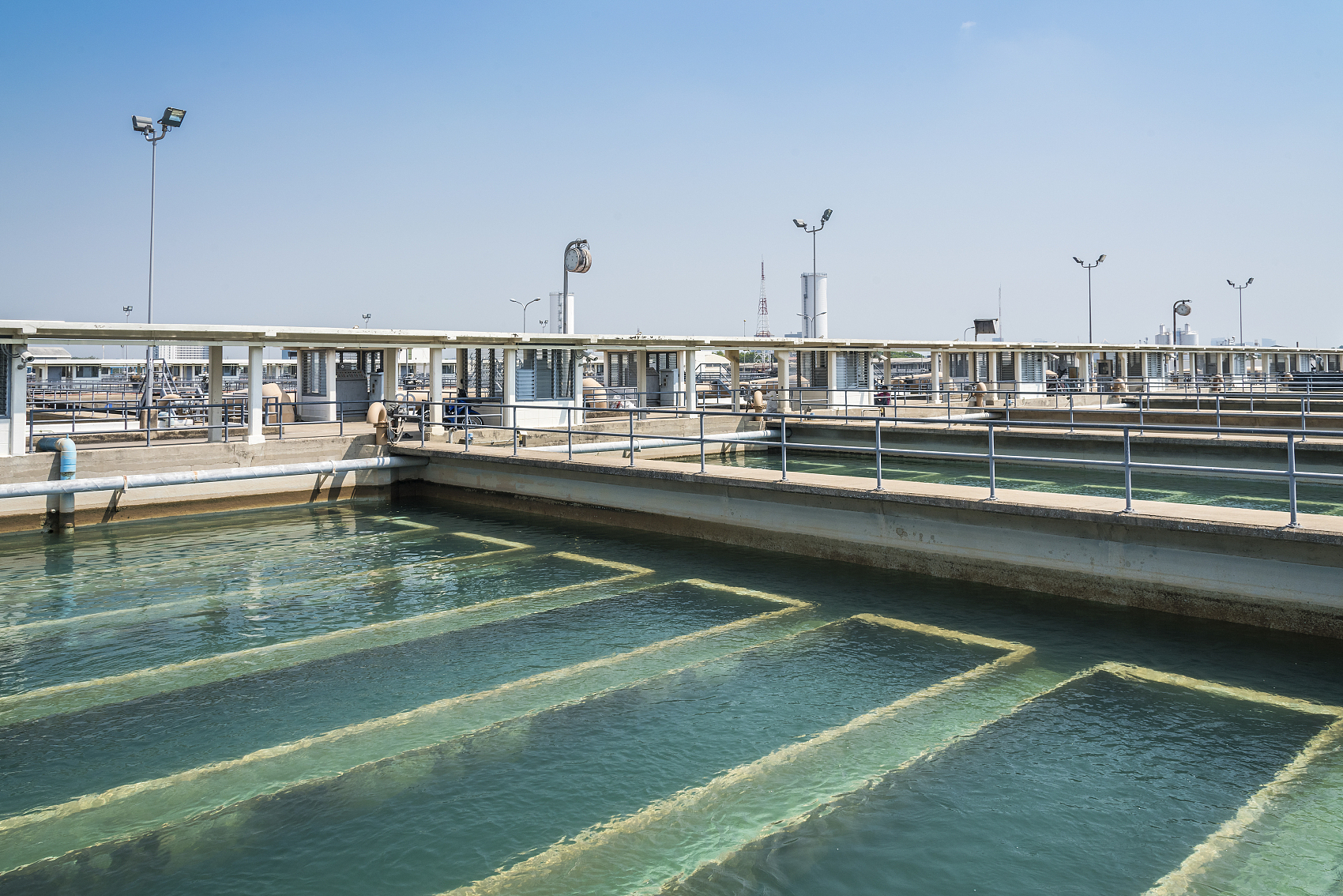
Drinking Water Treatment
Pre-ozonation can help control taste and odor and oxidize selected organic compounds. Plants may also use ozone for primary disinfection or pair it with activated carbon, depending on source water and treatment goals.

Municipal Wastewater Reuse
Ozonation can help control color and odor in treated municipal effluent. It can also support disinfection when the treatment train is designed for the intended reuse quality.
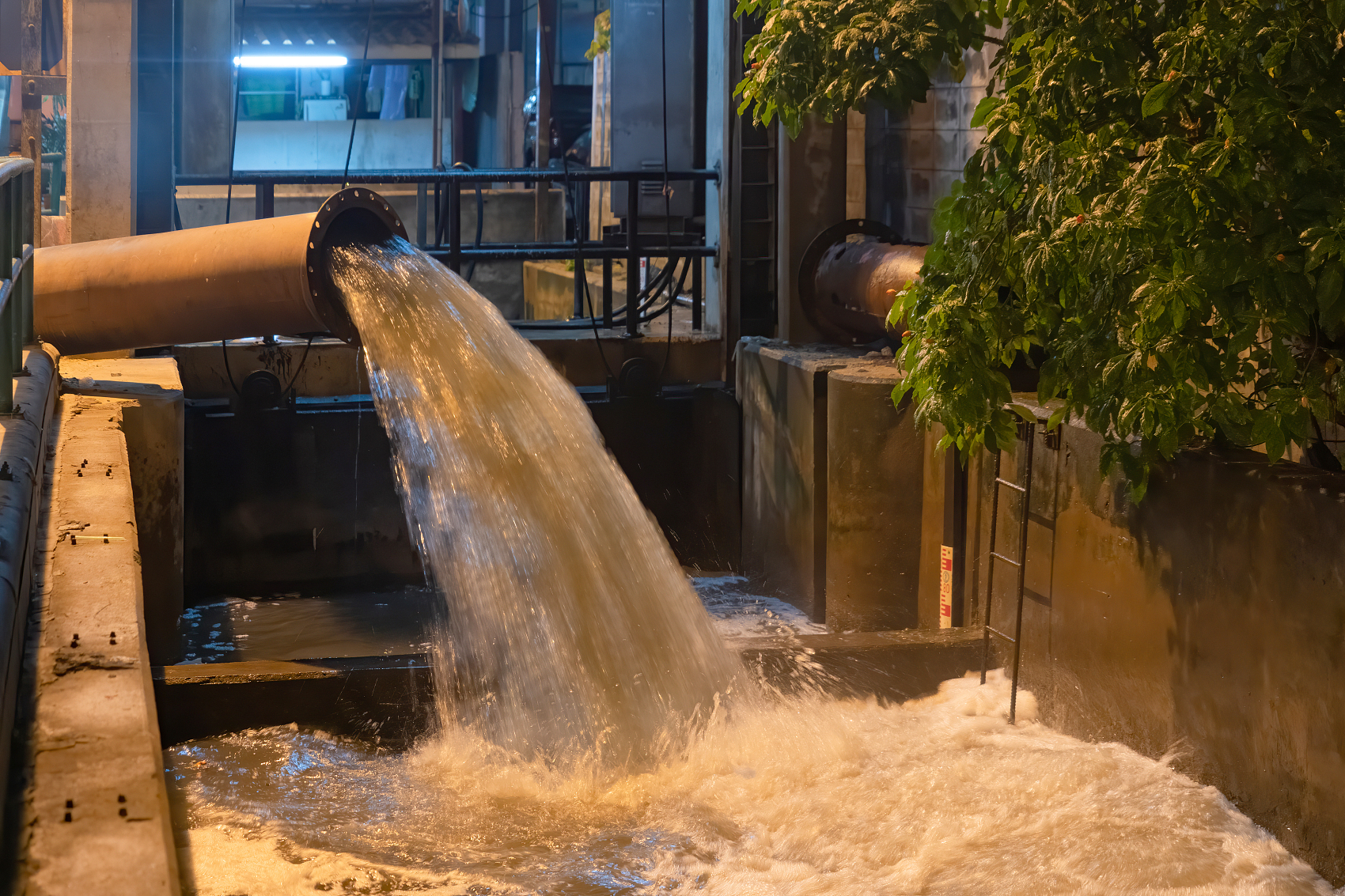
Industrial Wastewater
Ozone can oxidize selected compounds before biological treatment or polish treated effluent afterward. Applications include textile color removal and treatment of some surfactants and compounds that contribute to COD or AOX.

Swimming Pools
Supplemental ozone treatment can oxidize organics and support disinfection in recirculating pool water. Pool operators still need to maintain the locally required disinfectant residual.
Ozone Applications in Manufacturing

Chemical and Pharmaceutical Processing
Ozone can act as an oxidizing reagent in selected chemical, cosmetic and pharmaceutical synthesis processes. It can also oxidize selected organics in process effluent.
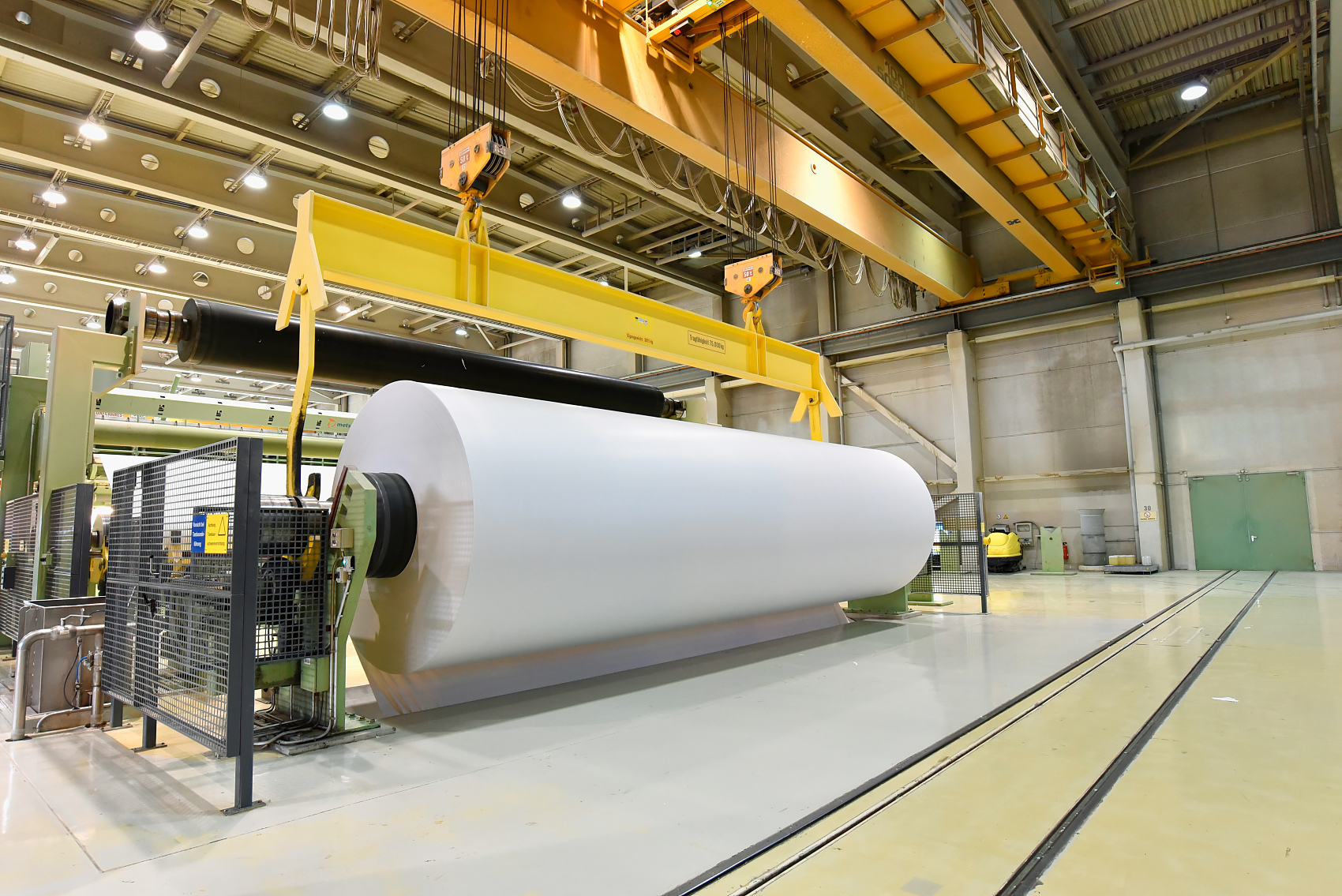
Paper and Pulp
Ozone can increase pulp brightness during bleaching and reduce reliance on chlorine-based bleaching chemicals. Pulp characteristics and the bleaching sequence determine the operating conditions.

Food and Beverages
Where permitted, ozone can be used in selected food and beverage processes, packaging and production lines. It also has applications in aquaculture water treatment and grain storage under validated conditions.

Semiconductor Manufacturing
Ozone can support selected semiconductor processes and recirculating-water treatment. Measure ozone at the designated sampling point and verify total organic carbon (TOC) separately when the process has a TOC target.
Process Water and Cooling Water
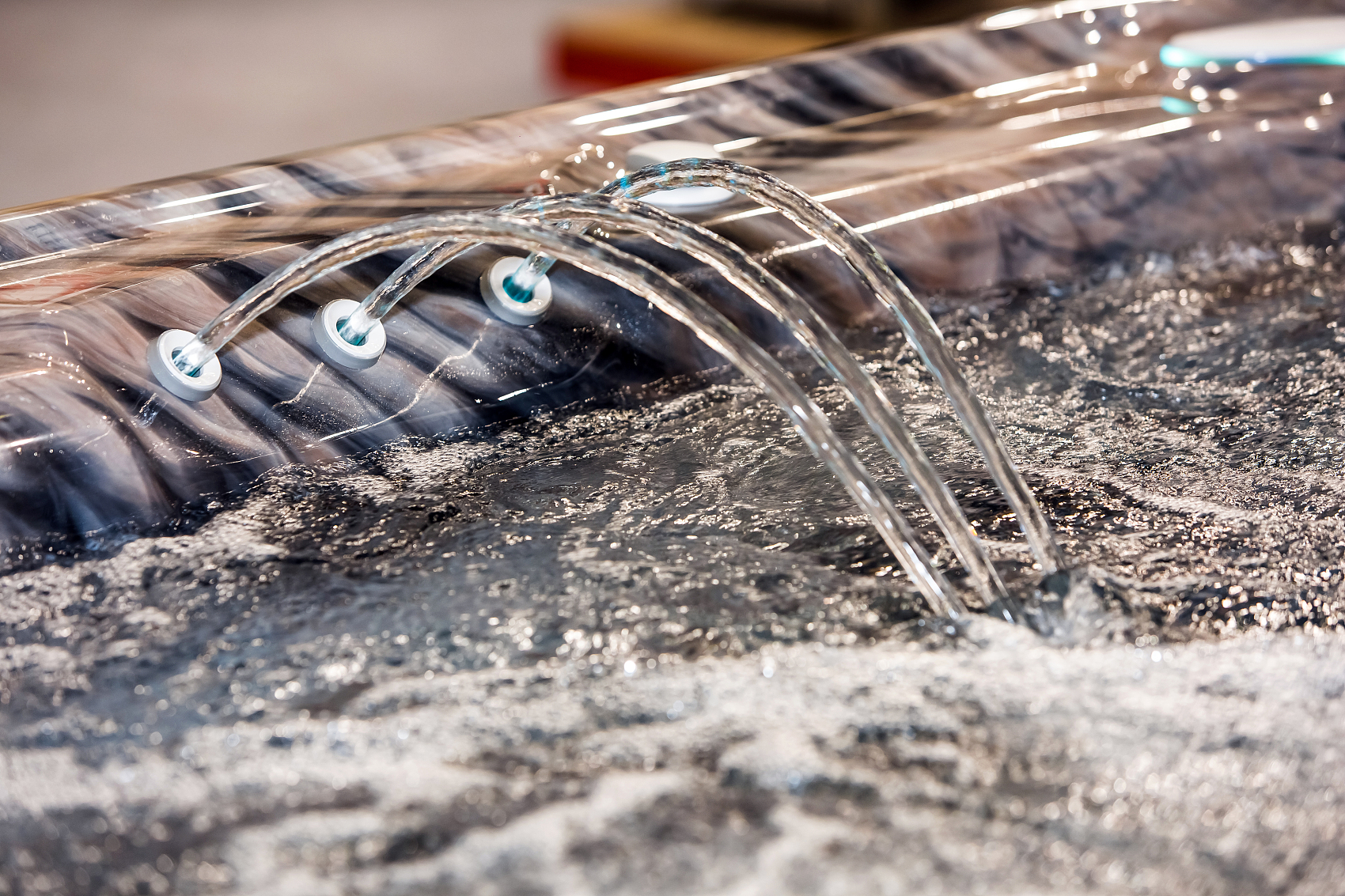
Ozonation can help control microbial growth and biofilm in recirculating water. Consider water chemistry, material compatibility and discharge requirements when selecting a treatment approach.
Why Monitor Ozone Concentration?
Ozone is used as an oxidant and disinfectant in water treatment and as a process gas in selected industrial applications. The sampling point determines what each reading can tell you about generation, treatment or site safety.
Verify Generator Output
Measure gas-phase ozone at the generator outlet and compare it with the specified operating range. To assess ozone production rate, use gas flow and concentration on the same reference basis.
Monitor the Process
Check gas-phase ozone in the supply or off-gas stream and measure dissolved ozone at the water sampling point. These readings help separate generator performance from ozone transfer and residual in water.
Monitor Ozone in Ambient Air
Airborne ozone can irritate the eyes and respiratory tract. Where leaks or occupational exposure are possible, use a dedicated ambient monitor and follow the site’s applicable exposure requirements.

Find the right analyzer for your measurement point
Send your target range, sample conditions, installation format and required outputs.